
- All
- Product Name
- Product Keyword
- Product Model
- Product Summary
- Product Description
- Multi Field Search
 English
Views: 0 Author: Site Editor Publish Time: 2025-12-24 Origin: Site


Chili oil is a staple condiment used in kitchens worldwide, known for its ability to bring spice, depth, and complexity to a wide variety of dishes. While store-bought versions are convenient, making your own chili oil from scratch offers many advantages, including the ability to control the heat level, flavor, and freshness.
In this article, you will learn how to make chili oil step-by-step, including tips on ingredient selection, temperature control, and troubleshooting common issues. You'll also discover creative variations to suit your taste.
Chili oil is an oil-based condiment infused with dried chili peppers, garlic, and other spices to create a savory and spicy flavor profile. Originating in Chinese cuisine, chili oil has gained global popularity and is now found in many dishes worldwide. Its bold and aromatic flavor can transform even the simplest of meals into an exciting culinary experience.
Chili oil is incredibly versatile and can be used in a variety of ways. It serves as a flavorful base for stir-fries, noodles, and fried rice, and it's also great as a dipping sauce for dumplings, spring rolls, and even bread. Additionally, chili oil makes an excellent finishing touch for roasted vegetables, grilled meats, and soups, adding a spicy, savory kick.
At its core, chili oil consists of oil and chili peppers. However, to create a well-rounded flavor, other ingredients are typically added, such as garlic, Sichuan peppercorns, and sometimes star anise. Aromatics like ginger and onion may also be used to create additional layers of fragrance. It's essential to choose high-quality ingredients to ensure the final product delivers a balanced flavor and vibrant color.
Homemade chili oil offers several advantages over store-bought versions. First and foremost, it allows you to control the quality of the ingredients. Commercial chili oils often contain preservatives and artificial flavorings, which can dull the natural heat and aroma. With homemade chili oil, you can use fresh, high-quality ingredients to craft a condiment that is full of flavor and free of unwanted additives.
Making chili oil at home is not only fun but also cost-effective. While store-bought chili oils can be expensive, especially for high-quality versions, you can make your own at a fraction of the cost. By purchasing the ingredients in bulk, you can prepare large batches of chili oil that will last for months, saving you money in the long run.
Another benefit of making your own chili oil is the ability to customize the flavor profile to your liking. Whether you prefer a mild, aromatic oil or something fiery and intense, homemade chili oil gives you full control. You can adjust the amount of chili flakes, spices, and aromatics to suit your heat tolerance and flavor preferences.
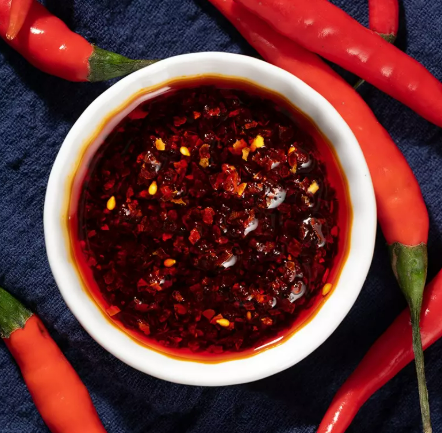
The oil you choose for making chili oil is crucial. It's best to use a neutral oil with a high smoke point to avoid overpowering the spices and to ensure the oil can withstand the heating process. Oils like canola, peanut, or sunflower oil are ideal choices. Avoid oils with strong flavors like olive oil, as they can compete with the chili’s heat.
The type of chili flakes or whole dried chilies you use will directly affect the flavor and heat of your chili oil. Sichuan chili flakes are a popular choice because of their moderate heat and slightly smoky flavor. You can also experiment with different varieties like Korean gochugaru for a milder, sweeter flavor or Thai bird’s eye chilies for a more intense heat.
To give your chili oil its signature depth of flavor, you'll need to incorporate some aromatics and spices. Garlic, ginger, and onion are commonly used for fragrance, while Sichuan peppercorns and star anise add complexity and a numbing sensation to the oil. You can also include other spices like cinnamon, bay leaves, or cloves depending on your preferred flavor profile.
Ingredient | Function | Suggested Substitute |
Neutral oil (canola, peanut) | Provides base for infusion, high smoke point | Avocado oil, sunflower oil |
Chili flakes (dried) | Adds spice and color | Korean chili flakes, Sichuan peppercorns |
Aromatics (garlic, ginger) | Adds fragrance and depth to the oil | Shallots, onions |
Spices (star anise, Sichuan peppercorns) | Adds complexity and numbing flavor | Cinnamon stick, bay leaves |
Start by preparing the ingredients. If you're using whole dried chilies, crush them into flakes using a mortar and pestle or a food processor. For aromatics, peel and slice the garlic, ginger, and onion. Measure out the Sichuan peppercorns, star anise, and any other spices you plan to use. It's essential to have everything ready before you start the cooking process.
The next step is to heat your oil. The key to making perfect chili oil lies in controlling the temperature. Heat the oil in a saucepan over medium heat until it reaches about 250°F (121°C). This temperature is ideal for extracting the flavor from the spices without burning them. Use a thermometer to ensure accuracy, as oil that's too hot can scorch the chilies and create a bitter flavor.
Temperature Range | Oil Behavior | Best For |
225-250°F (107-121°C) | Oil shimmers slightly | Milder chilies like Korean Gochugaru |
250-275°F (121-135°C) | Thin wisps of smoke | Balanced heat extraction |
275-300°F (135-149°C) | Steady smoke, rapid bubbling | Robust chilies like Scotch Bonnet |
300°F+ (149°C+) | Dense smoke, avoid at all costs | Destroys flavor, causes bitterness |
Once the oil has reached the right temperature, it's time to infuse it with the spices and aromatics. First, add the aromatics to the oil, allowing them to fry gently for about 20 minutes. After the aromatics are golden and fragrant, remove them from the oil. Then, carefully pour the hot oil over the chili flakes in a heatproof bowl. The oil should sizzle upon contact with the chili flakes, releasing their flavor into the oil.
Allow the oil to cool for a few minutes before straining it through a fine mesh sieve or cheesecloth into a clean jar. This will remove any solid particles, leaving you with a smooth, flavorful chili oil. Store the finished oil in a sterilized glass jar with a tight-fitting lid. It can be kept in a cool, dark place for up to 3 months.
If your chili oil turns out bitter, it's likely that the oil was overheated or the spices were cooked for too long. To fix this, try reducing the heat next time and remove the aromatics as soon as they turn golden. If the oil is already bitter, you can try diluting it with a small amount of fresh oil to reduce the bitterness.
To achieve the perfect level of heat in your chili oil, start with a smaller amount of chili flakes and gradually increase the amount based on your preference. You can also mix different types of chilies for a more complex flavor profile. Remember that the heat will intensify over time as the oil sits.
Proper storage is crucial to maintaining the freshness of your homemade chili oil. Keep it in a cool, dark place to prevent light from degrading the color and flavor. Use clean utensils every time you scoop some out to avoid contamination. If stored properly, chili oil can last up to 3 months at room temperature and up to 6 months if refrigerated.
Problem | Cause | Solution |
Chili oil is too bitter | Oil overheated or spices burned | Lower the heat and try again |
Chili oil lacks flavor | Under-infused spices | Simmer spices for a longer period |
Chili oil is cloudy | Water contamination | Ensure utensils and ingredients are completely dry |
The heat level is too high | Too many chili flakes or oil too hot | Adjust the chili-to-oil ratio, control oil temperature |
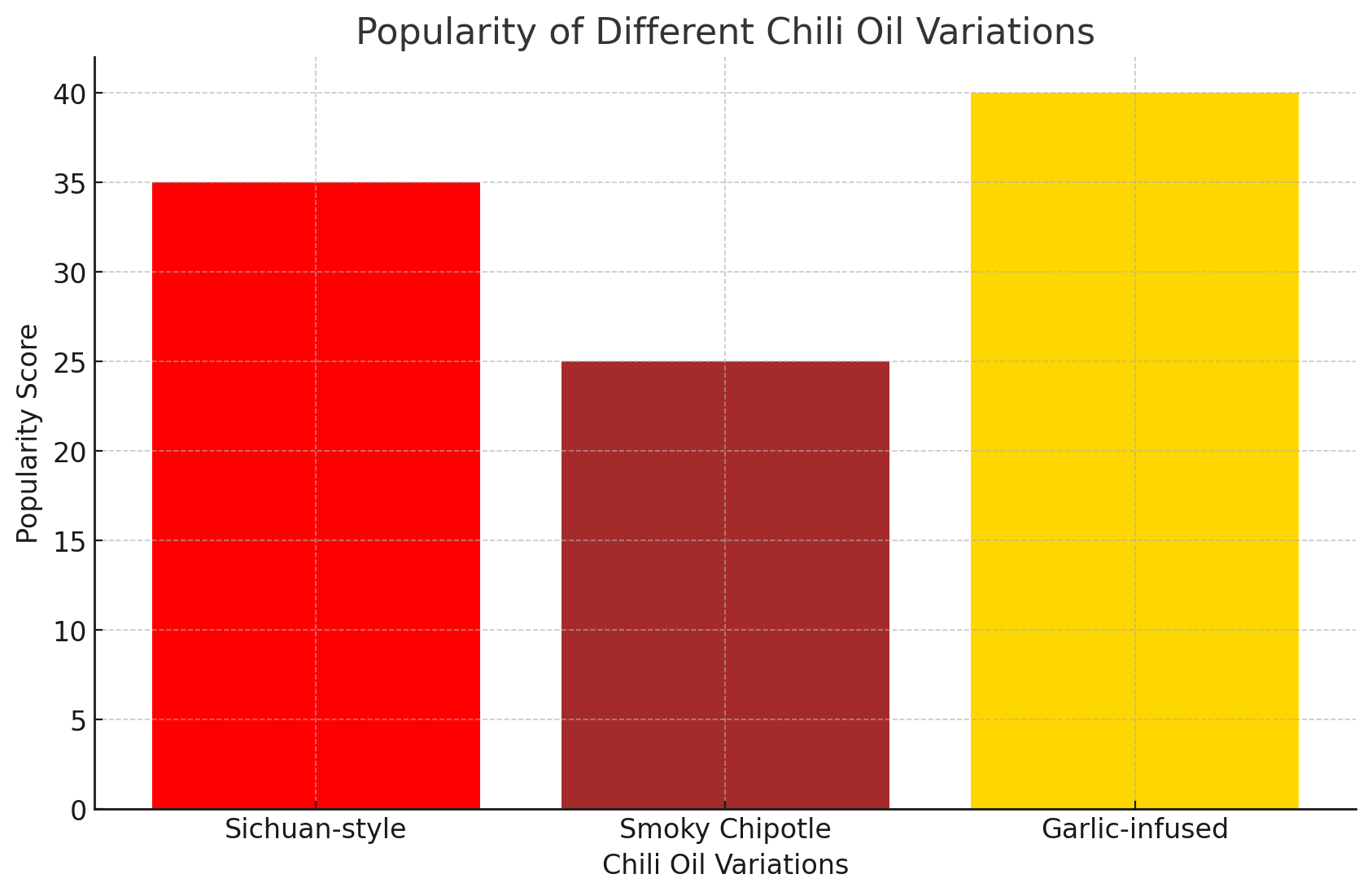
For a true Sichuan-style chili oil, consider incorporating doubanjiang paste during the infusing process. This fermented bean paste adds a deep, umami flavor, which perfectly complements the heat from the chilies. Doubanjiang is often used in Sichuan cuisine for its rich, savory qualities, making it an ideal addition to your chili oil for an authentic taste. To enhance the characteristic numbing sensation, increase the amount of Sichuan peppercorns. The numbing effect, known as "má," pairs beautifully with the spicy heat of the oil, offering a unique and complex flavor profile. This variation works wonderfully in stir-fries, dumplings, and noodle dishes.
If you're a fan of smoky flavors, try replacing some of the chili flakes with chipotle powder or dried chipotle chilies. The chipotle will add a smoky depth that is both warm and slightly sweet, creating a rich and layered chili oil. This version pairs exceptionally well with grilled meats, adding a bold kick to steaks, chicken, or even roasted vegetables. The smoky chipotle flavor will infuse your dishes with a unique twist, transforming even the simplest ingredients into something extraordinary.
For those who love the savory richness of garlic, try adding whole garlic cloves to the oil as it heats. The garlic will infuse the oil with a fragrant, savory flavor that beautifully complements the heat of the chilies. To make the garlic flavor even more complex, experiment with adding shallots for a milder, sweeter taste. The combination of garlic and chilies in the oil adds a depth that enhances the heat, making it a perfect addition to any stir-fry, noodle dish, or as a drizzle for pizzas and roasted vegetables. This garlic-infused version will also bring an aromatic richness that elevates the overall taste of your meals.
Making chili oil at home is a rewarding and straightforward process that allows you to create a condiment tailored to your taste. With the right ingredients and careful temperature control, you can craft a delicious, aromatic oil that enhances a variety of dishes. Whether you prefer a classic, fiery chili oil or a smoky, garlic-infused version, experimenting with different flavors will allow you to find the perfect chili oil for your cooking. Shandong Yipin Agro (Group) Co., Ltd. offers top-quality chili products that can enhance the flavor and freshness of your homemade chili oil.
A: Chili oil is a condiment made by infusing oil with dried chilies and spices, providing heat and flavor to various dishes.
A: To make chili oil, heat oil to the right temperature, add chili flakes and spices, and infuse the flavors. Strain and store the oil to preserve freshness.
A: Neutral oils with high smoke points, like canola or peanut oil, are ideal for making chili oil, as they won't overpower the flavor.
A: Yes, by using different chili flakes or adjusting the amount of chili used, you can control the heat level of your chili oil.
A: Store your chili oil in an airtight container in a cool, dark place. Properly stored, it can last up to three months.


