
- All
- Product Name
- Product Keyword
- Product Model
- Product Summary
- Product Description
- Multi Field Search
 English
Views: 0 Author: Site Editor Publish Time: 2025-12-18 Origin: Site


Chili oil has become a must-have in kitchens around the world. Its unique ability to add heat and depth of flavor has made it a favorite in countless dishes. Whether you're a beginner or a seasoned cook, chili oil can elevate your meals.
In this article, we'll explore various ways to incorporate chili oil into everyday cooking. From stir-fries to soups, you'll discover practical tips to enhance your dishes with just a few drops of this fiery condiment.
Chili oil is more than just a source of heat. It brings a unique depth to dishes, combining the richness of oil with the complexity of spices, such as garlic, sesame, and sometimes even citrus. This makes it an excellent addition to simple meals like noodles or rice, providing a flavor boost that can’t be achieved by just using traditional oils or sauces. Chili oil’s ability to balance spiciness and umami creates a harmonious and unforgettable flavor profile.
Beyond the flavor boost, chili oil offers several potential health benefits. The main ingredient, chili peppers, contains capsaicin, which has been linked to improved metabolism and fat-burning properties. Additionally, chili oil often includes ingredients like garlic, which has known antioxidant properties and can help improve heart health. When used in moderation, chili oil is a flavorful and healthy addition to your daily meals.
Not all chili oils are the same. There are numerous varieties, each offering different levels of heat and unique flavor profiles. Some chili oils focus on a stronger garlic presence, while others emphasize the nutty flavor of sesame seeds or the numbing sensation of Sichuan peppercorns. The key to choosing the right chili oil for your cooking lies in understanding the flavor and heat level that best suits your taste and the dish you're preparing.
Chili Oil Type | Heat Level | Flavor Profile | Best Use |
Mild Chili Oil | Low | Subtle heat, garlic-forward | Dressings, light dishes |
Medium Chili Oil | Medium | Balanced heat, aromatic spices | Stir-fries, noodle dishes |
Hot Chili Oil | High | Intense heat, smoky flavor | Finishing touch, marinades |
Infused Chili Oil | Varies | Flavorful with herbs/spices | Pizza, pasta, eggs |
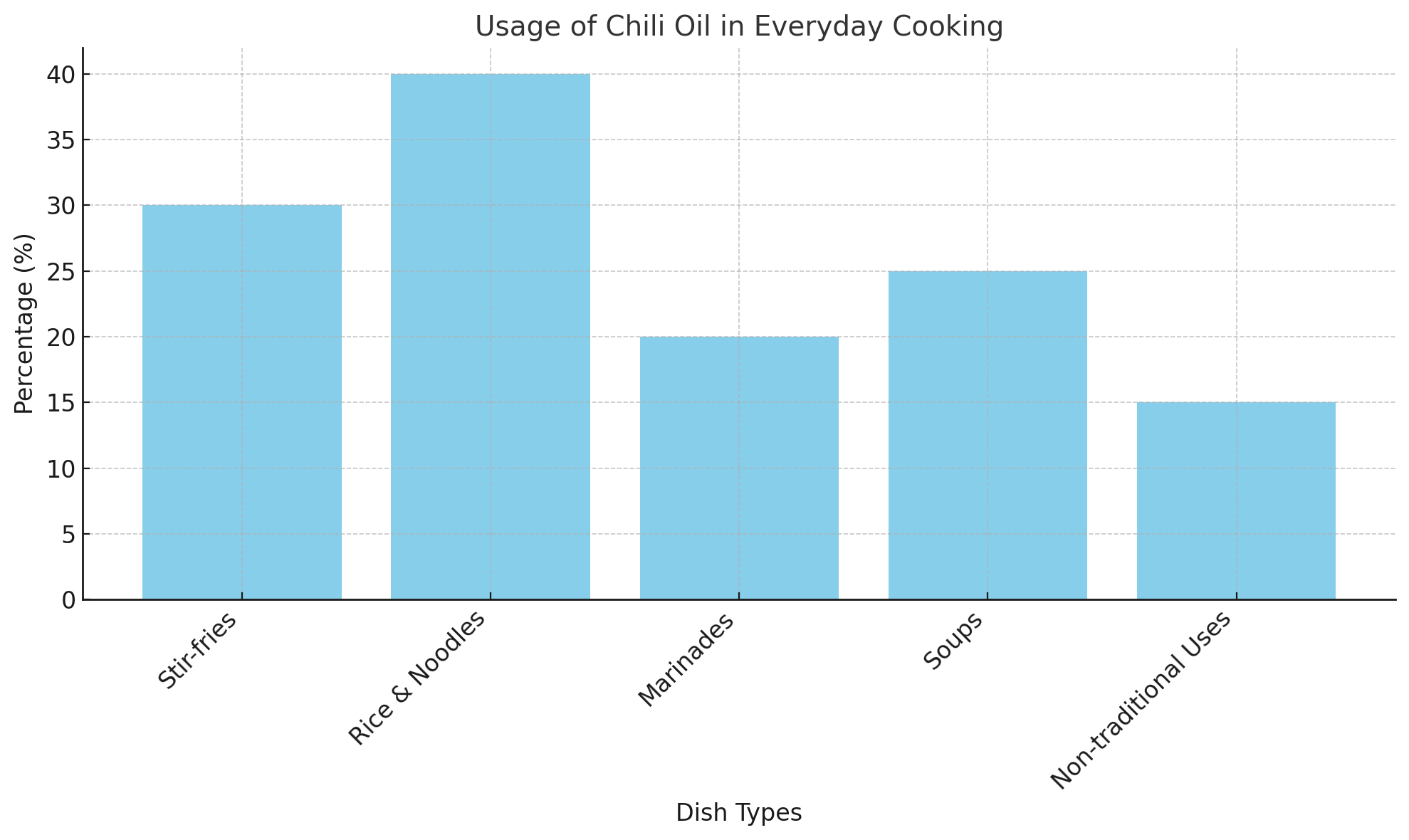
Chili oil is a perfect base for stir-fries. The heat from the oil helps infuse vegetables, tofu, chicken, or beef with a deep, spicy flavor. To get the most out of it, add chili oil towards the end of cooking to preserve its aromatic qualities. This will prevent the oil from burning and ensure that its complex flavors remain vibrant. Try using it for quick stir-fried dishes like vegetables with garlic or spicy noodles.
A simple way to elevate plain rice or noodles is to drizzle chili oil over the top. For fried rice, the chili oil adds a wonderful kick and depth of flavor. When tossing chili oil with noodles, especially cold noodles, it provides a balance of heat and savory undertones. If you're looking for a quick and flavorful meal, chili oil works wonders in transforming a basic dish into something exciting and satisfying.
Chili oil makes an excellent marinade for meats, tofu, or even vegetables. By combining it with ingredients like soy sauce, garlic, and ginger, you can create a spicy and aromatic base that infuses deep flavor into your ingredients. Let the food marinate for at least 30 minutes to allow the flavors to meld. This technique is perfect for chicken, beef, or tofu, and it works especially well when grilling or stir-frying.
For a flavorful finish, drizzle chili oil over hot soups like ramen, pho, or any noodle-based soup. The heat from the oil adds an extra layer of spice that complements the broth and enhances the overall depth of the dish. Chili oil can be used as a finishing touch to elevate the soup’s complexity without overpowering the other flavors.
Dish Type | Chili Oil Usage Example |
Stir-fries | Add towards the end of cooking to preserve flavor |
Rice and Noodles | Drizzle over fried or steamed rice; toss with noodles |
Marinades | Use as a base for marinating meats or tofu |
Soups | Drizzle on top of hot soups like ramen or pho |
Eggs | Drizzle over fried or scrambled eggs |
Pizza | Use as a topping or dipping sauce |
Vegetables | Drizzle on roasted or grilled vegetables |
Chili oil can be used in a variety of unexpected ways, such as drizzling it over pizza. Instead of using traditional olive oil to brush pizza crusts, try chili oil for a subtle kick. It pairs well with rich, cheesy pizzas, offering a balanced heat that enhances the flavor without overwhelming the palate. You can also use chili oil as a dipping sauce for your crusts to add extra heat.
Add chili oil to your salad dressings for a spicy twist. When mixed with olive oil, vinegar, and a touch of honey or mustard, chili oil transforms a simple vinaigrette into something vibrant and exciting. It works especially well in Asian-inspired salads, such as those featuring cucumber, radishes, or grilled chicken. The oil’s heat complements the freshness of the vegetables, creating a well-rounded and dynamic flavor.
Chili oil makes a great addition to eggs, whether you’re having them fried, scrambled, or poached. A drizzle of chili oil adds a rich, spicy finish that enhances the natural flavor of the eggs. For an extra boost, mix a teaspoon of chili oil into your scrambled eggs while cooking to infuse them with a subtle heat that builds as you eat.
Drizzling chili oil over roasted or grilled vegetables is a simple way to add bold flavor. The richness of the oil coats the vegetables, making them crispy on the edges while infusing them with spice. Use it with a variety of vegetables, from sweet potatoes to cauliflower, or even eggplant, to create a mouthwatering side dish.
Chili oil is a game-changer when it comes to popcorn. Instead of butter, drizzle chili oil over freshly popped kernels for a savory, spicy treat. The oil helps the seasoning stick while adding a crunchy, flavorful kick. This is a simple, quick snack that brings a whole new level of excitement to movie night.
Chili oil works wonders in pasta dishes. Toss spaghetti or other pasta with a drizzle of chili oil, garlic, and fresh herbs for a quick and flavorful aglio e olio. You can also mix chili oil into creamy pasta sauces to cut through the richness and add a hint of spice. Whether you’re making a classic Italian dish or a fusion recipe, chili oil is the perfect addition to elevate your pasta game.
For the adventurous eater, chili oil can even be used in desserts. Drizzle a small amount over vanilla ice cream for a sweet-spicy combination that’s surprising and delightful. The heat from the chili oil balances out the sweetness of the ice cream, creating a unique contrast of flavors that will leave you craving more.
Chili oil can add an unexpected twist to your favorite cocktails. A few drops of chili oil in a margarita or Bloody Mary give it an extra kick. The heat from the oil pairs wonderfully with the acidity of the citrus or tomato, making for a memorable and unique drink experience.
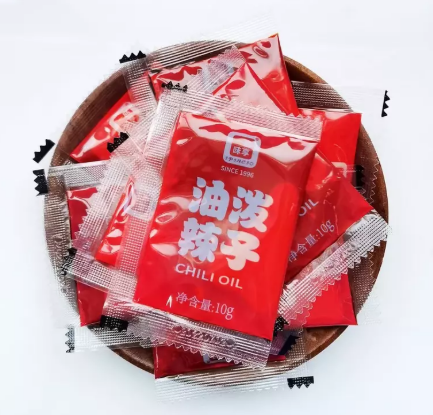
Chili oil can vary in heat, so it’s best to start with a small amount and gradually add more as needed. This allows you to control the level of spice and prevents overwhelming your dish. You can always add more, but it’s harder to take heat away once it’s in the dish.
To balance the heat, pair chili oil with cooling ingredients such as yogurt, dairy, or sweet elements like honey or maple syrup. These ingredients can temper the heat while still allowing the chili oil’s flavor to shine. This technique works particularly well in dressings, marinades, or when drizzling chili oil over eggs or vegetables.
Chili oil is best used as a finishing touch rather than a base for high-heat cooking. Adding it after the cooking process helps preserve its complex flavor and prevents burning. Drizzle it over hot dishes just before serving to get the full impact of its spice and aroma.
Tip | Description |
Start Small | Begin with a small amount of chili oil and add more gradually |
Pair with Cooling Ingredients | Use yogurt, cream, or honey to balance out the heat |
Use as a Finishing Oil | Add chili oil at the end to retain its full flavor and heat |
To keep chili oil fresh, store it in a cool, dark place away from heat and direct sunlight. While refrigeration isn’t strictly necessary, it can help extend the shelf life of the oil. If stored in the fridge, be aware that the oil may solidify slightly. Just let it warm up to room temperature before use.
Chili oil contains delicate spice compounds that can burn if overheated. Always cook with chili oil on low to medium heat. If you need to use it at higher temperatures, add it near the end of cooking to avoid damaging its flavor.
Chili oil is a versatile ingredient that adds both heat and depth to everyday dishes. It can elevate simple meals, whether in stir-fries, marinades, or even desserts. As a must-have for home cooks, it transforms recipes into flavorful creations.
Now that you know how to use chili oil, it's time to experiment with your own dishes. Share your favorite recipes and try different brands to find the one that suits your taste. Shandong Yipin Agro (Group) Co., Ltd. offers high-quality chili oil that enhances flavors and provides great value for all your cooking needs.
A: Chili oil is an oil infused with chili peppers and spices, adding heat and flavor to various dishes. It's perfect for stir-fries, noodles, rice, and even as a marinade or finishing touch.
A: Add chili oil towards the end of cooking to preserve its aromatic qualities. It enhances vegetables, meats, or tofu with a fiery kick and rich depth of flavor.
A: Yes! Chili oil can be mixed into salad dressings for an extra layer of spice. It pairs well with Asian-inspired salads or roasted vegetables.
A: Chili oil contains capsaicin, which may boost metabolism and promote fat burning. It's also packed with antioxidants, making it a flavorful and health-boosting addition to your meals.
A: Chili oil can be used on pasta, rice, pizza, dumplings, eggs, and even in desserts like vanilla ice cream for a sweet-spicy twist.
A: Start with small amounts of chili oil and gradually add more if needed. Pair it with cooling ingredients like dairy or honey to balance the heat.
A: Store chili oil in a cool, dark place to preserve its freshness. Refrigeration is optional but may cause the oil to solidify. Always use clean utensils to prevent contamination.


